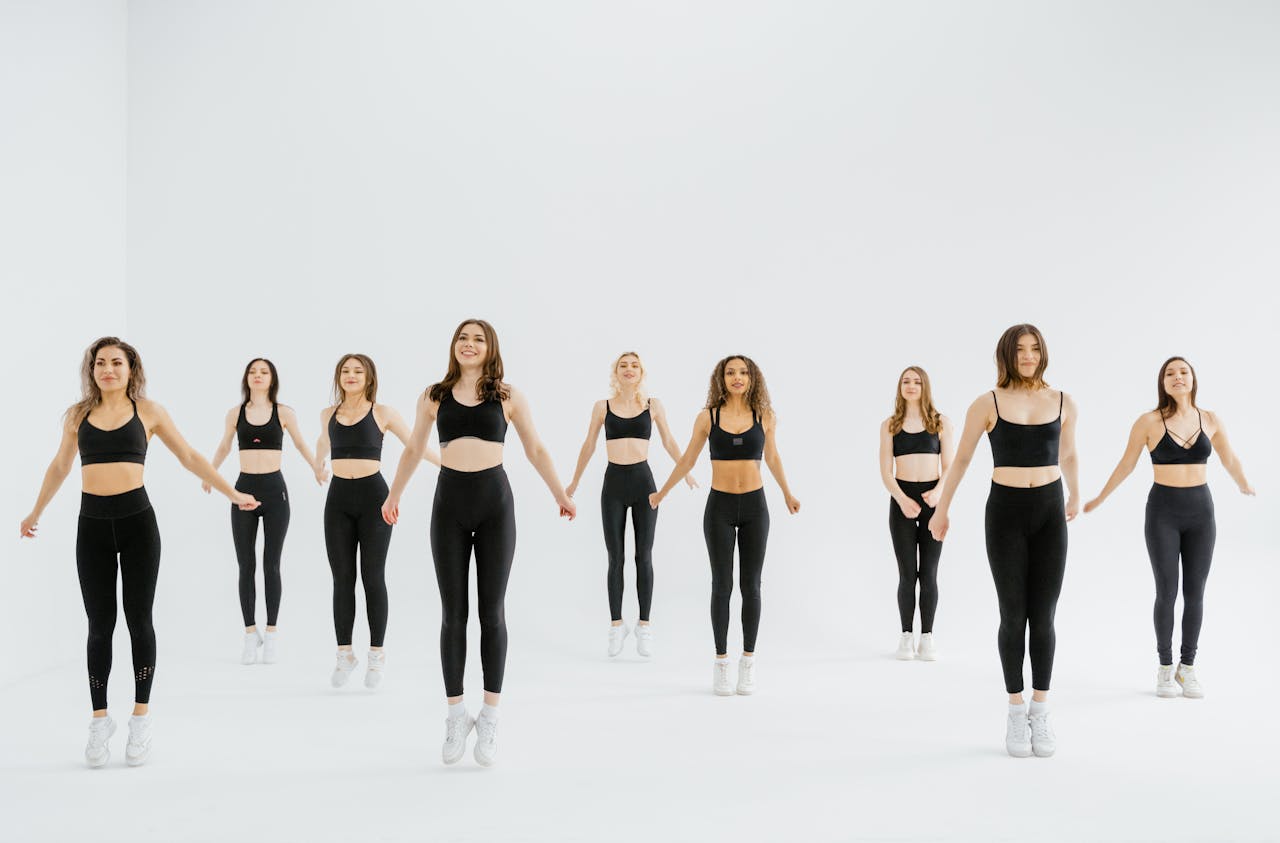
As the fitness industry continues to evolve, 2025 is set to bring a wave of innovative trends that are reshaping the way people approach health and exercise. With advancements in technology, a growing emphasis on holistic wellness, and a push for more personalized experiences, these trends are not only making workouts more effective but also more engaging. Here’s a closer look at the fitness trends revolutionizing the industry this year.
Virtual Reality and Immersive Fitness Experiences
Virtual reality (VR) workouts are becoming mainstream, offering users an immersive experience that makes exercise more enjoyable and interactive. With VR headsets, participants can explore virtual landscapes, compete in gamified challenges, or even take part in simulated group classes. This technology not only keeps workouts fresh and exciting but also allows users to train in environments they may never visit in real life.
Wearable Technology and Advanced Tracking
Wearable devices have long been a staple of the fitness industry, but in 2025, they are more sophisticated than ever. Modern fitness trackers provide real-time data on heart rate variability, recovery times, and stress levels, allowing individuals to fine-tune their workouts and optimize their performance. Smart clothing embedded with sensors can track muscle activation, posture, and movement patterns, offering valuable insights to help users improve their form and prevent injuries.
Hybrid Fitness Models
The hybrid fitness model, which combines in-person training sessions with virtual classes and online resources, has become a dominant approach. This trend gives users the flexibility to switch between at-home workouts and gym-based sessions, providing the best of both worlds. Hybrid memberships and digital platforms offer personalized training plans, live-streamed classes, and on-demand content, catering to a wide range of preferences and schedules.
Personalized and Data-Driven Workouts
Personalization is taking center stage in 2025, with fitness programs tailored to individual goals, preferences, and physical conditions. Machine learning algorithms analyze user data from wearables, fitness apps, and health records to create customized workout plans that adapt over time. This data-driven approach ensures that each session is optimized for maximum efficiency and results.
Functional Fitness and Movement-Based Training
Functional fitness remains a strong trend, focusing on exercises that mimic real-life movements and improve overall mobility. Movement-based training, which emphasizes flexibility, stability, and strength through natural patterns, is gaining popularity. Classes that integrate primal movements, animal flow techniques, and mobility drills are becoming more common, helping participants build strength, balance, and coordination.
Mind-Body Integration
Holistic wellness practices that combine mental and physical health are becoming an integral part of fitness routines. Yoga, Pilates, meditation, and breathwork are now regularly incorporated into training programs. Many fitness facilities are offering dedicated mindfulness areas, and virtual platforms provide guided sessions that help users reduce stress, improve focus, and enhance their overall well-being.
Socially-Connected Fitness
Social connectivity is playing a larger role in the fitness experience. Online fitness communities, virtual challenges, and live-streamed group classes help individuals stay motivated and accountable. Social fitness apps enable users to share their progress, celebrate milestones, and connect with like-minded individuals. This sense of community encourages consistency and makes working out a more enjoyable, shared experience.
Final Thoughts
In 2025, the fitness industry is being revolutionized by trends that focus on personalization, technology, and holistic wellness. From immersive VR workouts to advanced wearable tracking and movement-based training, these innovations are transforming how people engage with fitness. By embracing these trends, individuals can enjoy more effective, enjoyable, and sustainable workout routines that fit seamlessly into their lifestyles.