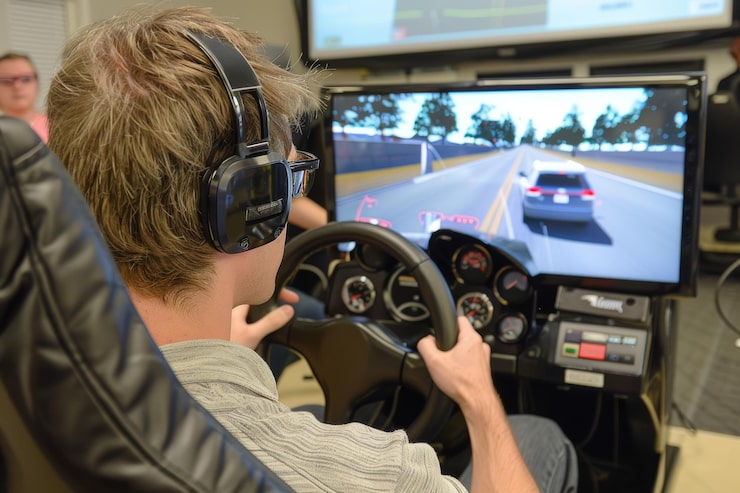
Racing games have a rare ability that many other genres struggle to achieve: they pull in new players quickly while still keeping experienced players deeply invested for years.
Whether someone is playing for ten minutes after work or training for competitive lap times, racing games manage to satisfy both ends of the spectrum. That balance is what makes them so addictive.
Easy to Start, Hard to Master
One of the biggest reasons racing games appeal to everyone is how accessible they are.
A casual player can jump in, press accelerate, and feel the thrill immediately. You don’t need to memorize controls or understand complex systems just to enjoy the game. The basics are intuitive.
At the same time, mastery takes real effort. Perfect braking points, smooth cornering, racing lines, and consistency separate good players from great ones. That layered difficulty keeps players coming back.
Instant Feedback Keeps Players Engaged
Racing games constantly tell you how you’re doing.
Every lap time, every corner, every mistake gives immediate feedback. If you mess up, you feel it right away. If you improve, the stopwatch proves it.
This fast feedback loop is addictive because improvement feels measurable. Shaving even a fraction of a second off a lap can feel like a major win, especially for competitive players.
Short Sessions with High Intensity
Not every game fits into short play sessions. Racing games do.
A single race can last just a few minutes, yet still deliver excitement, tension, and satisfaction. Casual players love being able to jump in without committing hours. Pro players love repeating races to chase perfection.
That “just one more race” feeling is powerful—and dangerous in the best way.
Racing Games
Competition Feels Personal
In racing games, competition is direct and unforgiving.
You’re not hiding behind teammates or abilities. It’s you, the track, and the clock—or another driver pushing just as hard. When you lose, you know why. When you win, it feels earned.
This clarity makes competition addictive for both casual players trying to improve and pros chasing mastery.
Skill Progression Feels Real
Unlike many games where progression is tied to levels or unlocks, racing games reward actual skill.
You don’t just get faster because the game says so. You get faster because:
-
You brake later
-
You choose better lines
-
You control the car more smoothly
That sense of genuine improvement keeps players invested far longer than artificial progression systems.
Sound, Speed, and Sensation Do the Rest
Racing games stimulate the senses in a way few genres can.
Engine sounds, tire screeches, motion blur, and speed effects all work together to create intensity. Even casual players feel the rush immediately, while experienced players learn to read these cues to push limits safely.
The experience feels physical, not passive.
Casual Fun and Competitive Depth Can Coexist
The best racing games don’t force players to choose between fun and realism. They offer adjustable difficulty, driving assists, and modes that let everyone play their way.
Casual players can enjoy clean races without stress. Pro players can turn off assists, fine-tune setups, and chase flawless performance. Both can enjoy the same game for very different reasons.
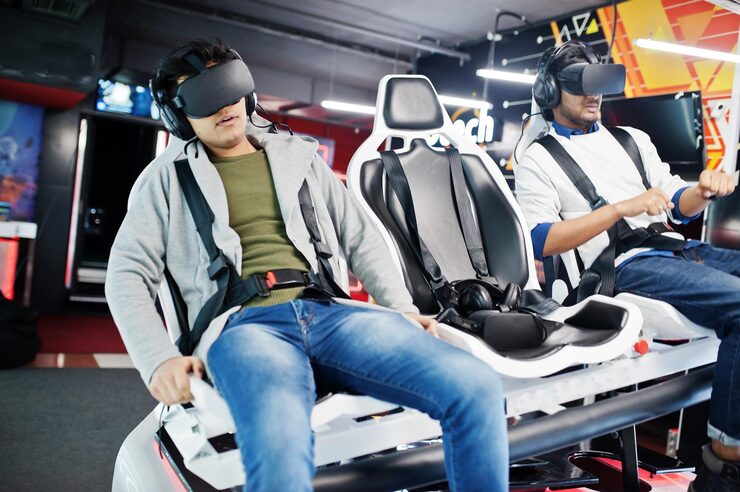
Racing Games
Final Thoughts
Racing games are addictive because they respect the player’s time and skill. They offer instant excitement, clear feedback, and endless room for improvement—all without demanding long tutorials or heavy commitments.
That rare combination is why racing games continue to hook casual players and challenge pros, year after year.
