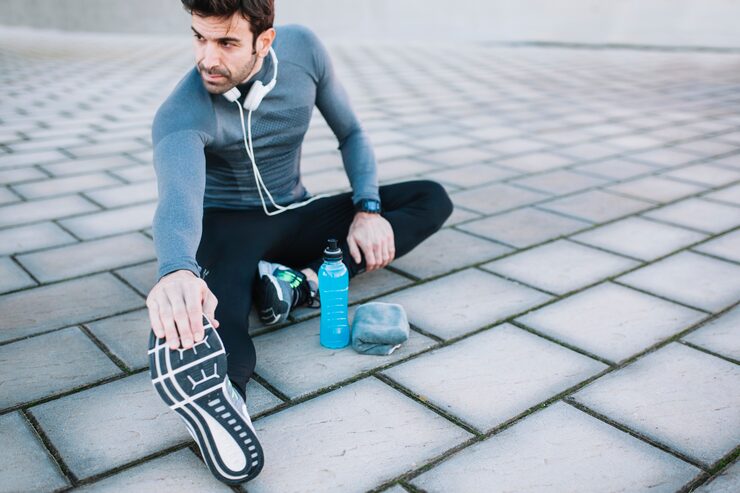
Running is one of the most accessible and effective ways to stay fit, but the right pair of running shoes can greatly influence comfort, performance, and injury prevention. Choosing the right running shoes means matching your unique foot type, gait, and the kind of running you do, so every step feels natural and supportive.
Why the Right Running Shoes Matter?
Running shoes are not just any footwear; they protect your feet, absorb impact, and enhance your running efficiency. Wearing improper shoes can cause discomfort, blisters, or even serious injuries such as shin splints or knee pain. The right pair provides support tailored to your feet, adequate cushioning to soften each stride, and the stability required for your surface of choice, whether pavement or trail. These aspects combine to help you run better and longer with less risk of injury.
Understanding Your Foot and Running Style
Before purchasing shoes, it’s important to know your foot type and running style. Some people have neutral arches and a gait that lands evenly, while others might overpronate, meaning their feet roll inward excessively, or underpronate, where the foot rolls outward. Knowing this helps determine whether you need neutral shoes, stability shoes that offer extra support, or motion control shoes with reinforced structure.
Additionally, your running surface plays a key role. Road runners typically prefer lightweight shoes with cushioning suited to hard pavements. Trail runners, on the other hand, should look for shoes with rugged soles and durable construction to navigate uneven terrains and obstacles safely.
Key Features to Look For
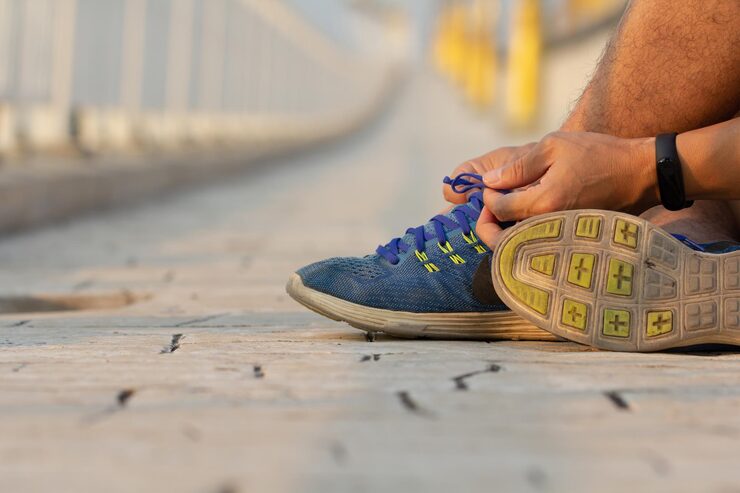
Comfort and fit should be your top priorities. The shoes should fit snugly around the midfoot and heel while leaving enough space in the toe box for your toes to move freely, helping prevent blisters and black toenails. Breathable materials, often mesh uppers, help keep your feet cool during long runs. Cushioning varies based on your needs: some runners prefer thick padding for shock absorption, while others choose minimal cushioning for a lighter, more responsive feel.
Weight is another important consideration. Lighter shoes are often favored for speed and racing, whereas slightly heavier shoes may offer better durability and cushioning for training and long distances.
How to Choose and Try Running Shoes?
Finding the perfect running shoe often involves visiting a specialty store for a professional gait analysis. Trying on several pairs, walking or jogging briefly in them, can help you gauge comfort and fit. Shopping later in the day is advisable, as feet tend to swell slightly after hours of standing and activity, ensuring your shoes won’t feel tight during runs. Remember to bring the socks you typically wear for running to get a true fit.
When to Replace Your Running Shoes
Running shoes usually last between 300 to 500 miles, depending on the terrain and frequency of use. Signs that you need new shoes include noticeable wear on the sole or midsole, loss of cushioning, or onset of discomfort and aches after runs that weren’t present before. Rotating between two pairs of shoes can extend their lifespan and give your feet varied support.
Final Thoughts
Selecting the right running shoes is an investment in both performance and health. By understanding your feet, running style, and preferences, you can find shoes that help you run comfortably and safely. With the right pair, every run becomes an opportunity for progress, enjoyment, and injury-free movement.