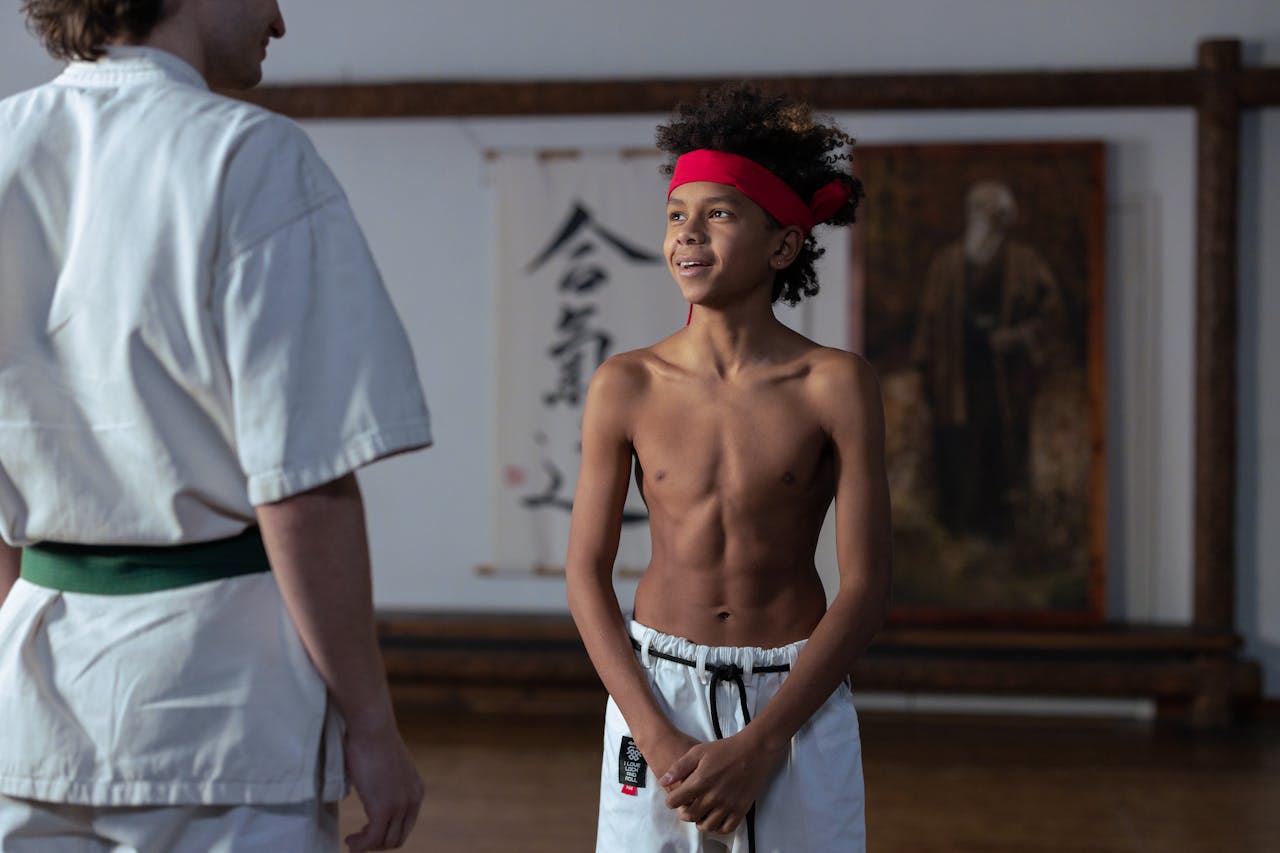
Youth sports provide more than just physical activity—they serve as a vital tool for personal growth and social development. From learning to cooperate with peers to developing a strong sense of discipline, participating in sports can have a profound impact on a young person’s character. Here’s how youth sports play a crucial role in building character and fostering teamwork.
Developing Life Skills Through Sports
Youth sports teach essential life skills that go beyond the playing field. Young athletes learn to manage their time effectively, set goals, and persevere through challenges. These experiences help them build resilience, a key trait that serves them well in both their personal and professional lives.
Emphasizing Fair Play and Respect
Playing sports at a young age instills values of fairness and respect. Coaches and mentors often emphasize the importance of following rules, respecting opponents, and showing good sportsmanship. These lessons help shape a child’s understanding of right and wrong, fostering a sense of integrity and ethical behavior that carries into adulthood.
Strengthening Communication and Collaboration
Team sports, in particular, highlight the importance of communication and collaboration. Young athletes must work together to achieve a common goal, whether it’s scoring a goal, completing a relay, or executing a strategic play. By learning to communicate effectively and rely on their teammates, they develop strong interpersonal skills and a sense of camaraderie.
Building Self-Confidence and Leadership
As children improve their skills and achieve success on the field, their self-confidence grows. Youth sports provide opportunities to take on leadership roles, whether as team captains or as mentors to less experienced players. This sense of responsibility and accomplishment helps young athletes believe in their abilities and motivates them to pursue future challenges.
Teaching Resilience and Perseverance
Sports naturally involve setbacks—losses, injuries, and tough competition. By navigating these challenges, young athletes learn to cope with disappointment, bounce back from adversity, and maintain a positive attitude. These experiences teach them that success often requires hard work, dedication, and the ability to adapt to changing circumstances.
Fostering a Sense of Community
Participation in youth sports connects children to a larger community of peers, coaches, and supportive adults. This network of relationships helps them feel valued and supported, creating a sense of belonging that boosts their emotional well-being. Additionally, the friendships formed through sports often last well beyond their playing years, providing a lifelong support system.
Promoting Healthy Competition
Competition, when approached with the right mindset, encourages growth and self-improvement. Youth sports teach children how to handle both victory and defeat with grace. Healthy competition inspires them to strive for their best, pushes them to reach new levels of performance, and fosters a desire to continuously improve.
Final Thoughts
Youth sports are much more than just games—they’re a powerful tool for character development, teamwork, and life skills. By participating in sports, young athletes gain valuable experiences that shape their values, strengthen their resilience, and help them navigate the challenges of life. The lessons learned on the field often translate into success far beyond sports, making youth sports an essential part of growing up.