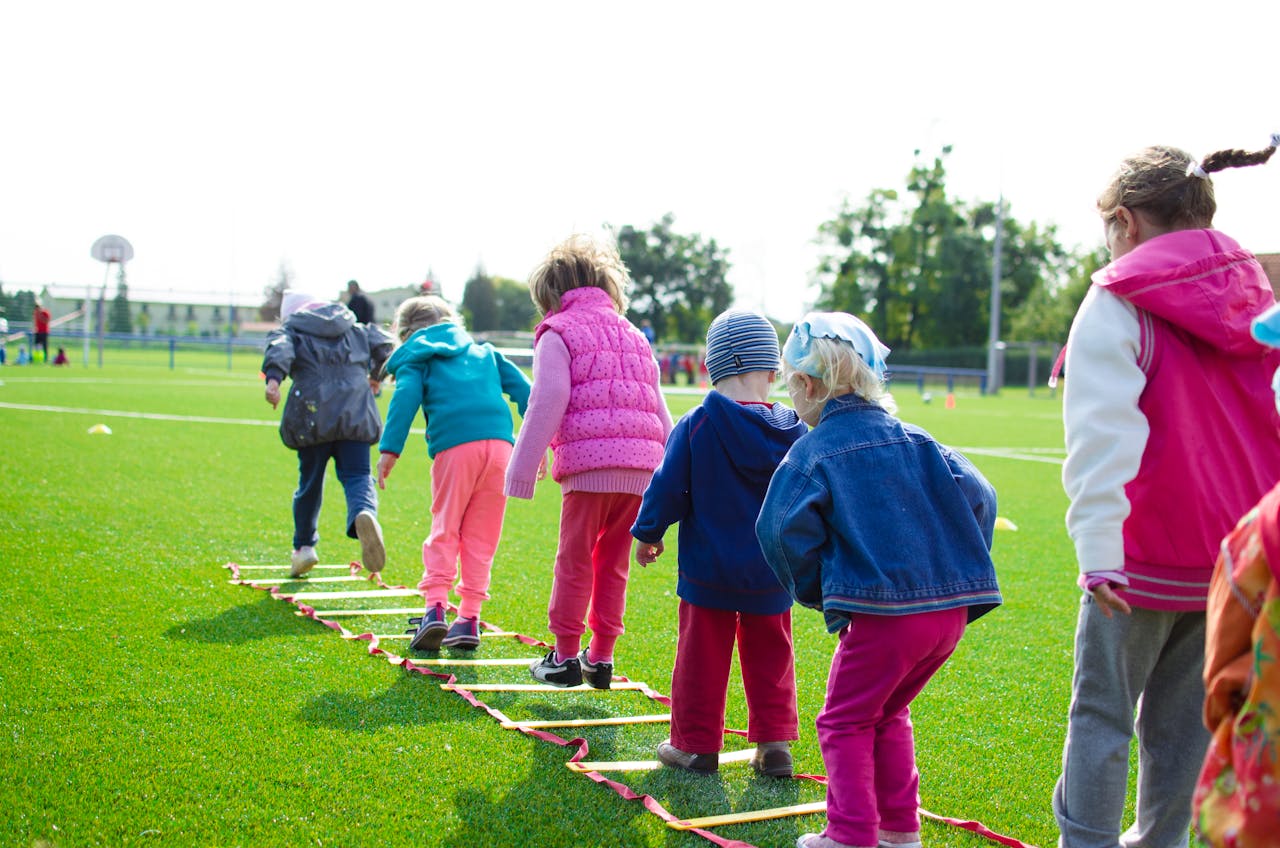
Finding the right youth sports program for your child can be a game-changer in their development, both physically and mentally. Youth sports not only help children develop essential physical skills but also instill important life lessons such as teamwork, discipline, and perseverance. With so many options available, it can be overwhelming to choose the best one. Here are some of the top youth sports programs to consider for your child in 2025, each offering unique benefits and opportunities for growth.
Soccer Programs: Building Skills and Teamwork
Soccer continues to be one of the most popular and accessible youth sports programs worldwide. With its focus on cardiovascular fitness, coordination, and teamwork, soccer is an excellent choice for children of all ages and skill levels. In 2025, many youth soccer leagues are emphasizing inclusivity, skill development, and fun over competition, making them ideal for children just starting out or those looking to refine their technique.
Why It’s Important:
Soccer helps develop endurance, agility, and social skills. It’s also relatively easy to start playing, requiring minimal equipment, and it can be played year-round in many regions. Youth soccer leagues provide structured play and opportunities for kids to compete at various levels, from recreational to competitive.
Basketball Leagues: Developing Athleticism and Leadership
Basketball is another popular youth sport that emphasizes teamwork, strategy, and individual skill. Many youth basketball leagues focus on developing coordination, ball-handling skills, shooting techniques, and court awareness. In 2025, youth basketball programs are increasingly adopting inclusive practices and are becoming more accessible to children of all abilities.
Why It’s Important:
Basketball promotes physical fitness by enhancing cardiovascular health, agility, and coordination. It also encourages social interaction and the development of leadership skills as kids learn to work together to achieve common goals. Youth basketball leagues help children improve their motor skills, boost self-confidence, and build lasting friendships through teamwork.
Baseball and Softball: Nurturing Focus and Perseverance
Baseball and softball are classic sports that continue to be popular choices for youth programs in 2025. These sports teach children about focus, patience, and the importance of teamwork. With a strong emphasis on hand-eye coordination, strategic thinking, and physical endurance, baseball and softball are excellent for building mental toughness and resilience.
Why It’s Important:
Baseball and softball promote a wide range of skills, from running and hitting to fielding and throwing. They also help children develop mental focus, as both sports require patience and strategic decision-making. These programs foster a sense of discipline and determination as children work to improve their skills and contribute to their team’s success.
Swimming Programs: Improving Strength and Endurance
Swimming is one of the most versatile youth sports programs, providing a full-body workout that builds strength, endurance, and flexibility. Youth swimming programs are available at various levels, from beginner classes to competitive swimming teams. In 2025, many programs emphasize water safety, stroke technique, and stamina-building exercises.
Why It’s Important:
Swimming is an excellent low-impact sport that can be enjoyed throughout a child’s life. It helps develop muscle tone, cardiovascular fitness, and endurance, while being easier on the joints compared to high-impact sports. Additionally, swimming teaches important safety skills that can last a lifetime. Competitive swimming also offers opportunities for children to excel in individual and team settings.
Tennis: Enhancing Coordination and Focus
Tennis is a great individual sport that also fosters teamwork when played doubles. Youth tennis programs in 2025 are focusing on building both technical skills (like grip, swing, and footwork) and mental fortitude. Tennis provides excellent cardiovascular benefits and helps improve hand-eye coordination, agility, and balance.
Why It’s Important:
Tennis teaches discipline, focus, and sportsmanship, as players are responsible for their own performance. The sport helps develop endurance, speed, and flexibility, all while encouraging children to push their limits. Youth tennis programs cater to players of all ages and skill levels, offering both recreational and competitive opportunities.
Martial Arts: Building Confidence and Self-Discipline
Martial arts programs, such as karate, taekwondo, judo, and Brazilian jiu-jitsu, provide an excellent opportunity for children to learn discipline, self-control, and confidence. In 2025, many martial arts schools offer age-appropriate programs that focus on building strength, flexibility, and mental focus while promoting respect for others.
Why It’s Important:
Martial arts teach children respect, patience, and perseverance through structured training and the practice of techniques. These sports emphasize personal growth and are often accompanied by belt systems that reward improvement. Martial arts programs are also beneficial for developing self-defense skills and improving physical fitness, making them great for both physical and mental development.
Gymnastics: Enhancing Flexibility and Strength
Gymnastics programs offer a fun and dynamic way for children to build flexibility, balance, and strength. Whether focusing on floor exercises, vaulting, or beam routines, gymnastics helps children develop coordination, body awareness, and confidence. In 2025, many gymnastics programs are designed to suit children of all ages and skill levels, offering both recreational and competitive tracks.
Why It’s Important:
Gymnastics builds strength, flexibility, and motor coordination. It also helps develop balance, endurance, and discipline. Children involved in gymnastics are taught to work hard to perfect complex skills, boosting their self-esteem and confidence. Additionally, gymnastics encourages teamwork in a group setting, fostering cooperation and sportsmanship.
Track and Field: Promoting Speed, Agility, and Endurance
Track and field programs are a great way for children to enhance their speed, endurance, and agility. Youth track programs typically offer a range of events, from sprints and long-distance running to relays and field events like long jump and shot put. These programs are designed to teach children about the importance of conditioning, pacing, and teamwork.
Why It’s Important:
Track and field helps children develop cardiovascular fitness, agility, and explosive power. It also allows them to participate in individual and team events, teaching them both self-reliance and collaboration. These programs foster a strong work ethic, as children practice and hone their skills to improve their performance in races and competitions.
Esports: Fostering Strategic Thinking and Collaboration
While traditional physical sports remain a cornerstone of youth athletics, esports is becoming an increasingly popular option for children interested in competitive gaming. Esports programs help children develop strategic thinking, teamwork, and quick decision-making skills. In 2025, many schools and organizations offer leagues and tournaments for games like Fortnite, Rocket League, and League of Legends.
Why It’s Important:
Esports teach children important skills such as collaboration, communication, and critical thinking. It also offers opportunities for children who may not be inclined toward traditional sports to engage in competitive activities. Esports can provide both recreational fun and opportunities for scholarships and professional growth in the gaming industry.
Final Thoughts
Choosing the right youth sports program for your child in 2025 depends on their interests, fitness goals, and personal preferences. Whether your child enjoys team sports, individual challenges, or strategic gaming, there’s a program that can help them develop physical and mental skills, build confidence, and make lasting friendships. By exploring various sports programs and understanding their benefits, you can help your child find the right fit and set them on the path to success in both sports and life.